Botox for Excessive Sweating: How It Works
- aliza khan
- Dec 21, 2024
- 5 min read

Excessive sweating, also known as hyperhidrosis, is a condition that affects many people around the world. While sweating is a natural process that helps regulate body temperature, some individuals experience excessive perspiration that interferes with their daily lives. Fortunately, Botox Injections have become a widely recognized treatment for hyperhidrosis, offering an effective and non-invasive solution. In this article, we will explore how Botox works to treat excessive sweating, the benefits of this treatment, and why it’s a top choice for those seeking relief.
What is Excessive Sweating?
Excessive sweating goes beyond the normal perspiration that occurs in response to exercise, heat, or stress. People with hyperhidrosis sweat more than is necessary for temperature regulation, often in localized areas like the underarms, hands, feet, and face. This condition can be both physically uncomfortable and emotionally distressing, leading individuals to avoid social situations, work environments, or activities that trigger sweating.
Hyperhidrosis can be classified into two types:
Primary Hyperhidrosis: This type has no known cause and typically affects specific areas like the hands, feet, and underarms.
Secondary Hyperhidrosis: This type occurs as a result of another underlying condition, such as a medical disorder, medication side effects, or hormonal imbalances.

How Botox Injections Work to Treat Excessive Sweating:
Botox has been used for many years to treat various medical conditions, including excessive sweating. When injected into the skin, Botox blocks the release of acetylcholine, a neurotransmitter responsible for activating sweat glands. By inhibiting this signal, Botox effectively reduces or eliminates excessive sweating in the treated areas.
Mechanism of Action:
Targeting Sweat Glands: Botox is injected into the affected areas, such as the underarms, palms, or feet. The botulinum toxin in Botox temporarily blocks the nerve signals that trigger sweating.
Temporary Paralysis of Sweat Glands: The treatment does not destroy sweat glands; instead, it temporarily paralyzes them, preventing excessive sweat production.
Localized Effect: Botox injections are precisely administered in small doses to target the specific sweat glands, ensuring the rest of the body’s normal sweating function remains unaffected.
Benefits of Botox for Excessive Sweating:
Botox injections are quickly gaining popularity as a treatment for hyperhidrosis due to their numerous benefits. These advantages make Botox a preferred option for those struggling with excessive sweating.
1. Non-Surgical Solution:
Unlike other treatments, Botox for excessive sweating is non-invasive and does not require any surgical procedures. There are no cuts or stitches involved, which means that there is minimal downtime and a reduced risk of complications.
2. Quick and Effective Results:
One of the main reasons why Botox is highly recommended for excessive sweating is its ability to deliver rapid results. Many patients notice a significant reduction in sweating within a few days after treatment, with full effects taking about one to two weeks.
3. Long-Lasting Effects:
Botox is not a permanent solution, but it offers long-lasting results. Depending on the area treated and the individual’s response to the injections, Botox can reduce sweating for up to 4 to 12 months. This means fewer treatments over time compared to other options like prescription-strength antiperspirants.
4. Minimal Side Effects:
Botox is generally well-tolerated, with few side effects. Some patients may experience temporary bruising or redness at the injection sites, but these side effects typically resolve within a few hours to days. Serious side effects are rare when Botox is administered by a qualified professional.
5. Improved Quality of Life:
For those who suffer from excessive sweating, Botox can have a profound impact on daily life. Patients report feeling more confident, comfortable, and able to engage in social and professional activities without worrying about excessive perspiration.
Botox Treatment Areas for Excessive Sweating:
Botox can be used to treat various areas where excessive sweating is a concern. The most common treatment areas include:
1. Underarms:
The underarms are one of the most common areas treated with Botox. Sweating here can cause discomfort, embarrassment, and staining of clothing. Botox injections can reduce or eliminate sweating in this area, allowing individuals to enjoy a more confident lifestyle.
2. Palms and Hands:
Sweaty palms can make everyday tasks challenging, such as shaking hands or handling papers. Botox can provide relief by reducing excessive sweating in the palms, allowing individuals to feel more at ease during social interactions.
3. Feet:
Excessive foot sweating can lead to unpleasant odors and discomfort in shoes. Botox can effectively target sweat glands in the feet, keeping them dry and odor-free.
4. Face:
For those who experience excessive sweating on the face, such as on the forehead or upper lip, Botox can help manage the condition. This treatment can prevent embarrassing sweat marks during public speaking, meetings, or other social events.
5. Back:
Excessive sweating on the back can be difficult to manage and may cause discomfort, especially in warm weather. Botox injections can be used on the back to reduce sweating and improve comfort.
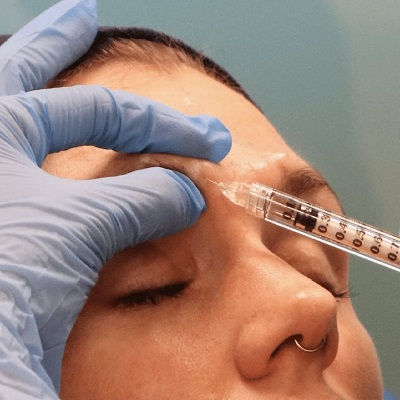
Botox Injection Process for Excessive Sweating:
The Botox injection process for treating excessive sweating is straightforward and generally takes around 30 to 60 minutes. Here’s what patients can expect during the treatment:
1. Consultation:
Before the treatment, you will have a consultation with a qualified provider to discuss your symptoms and determine if Botox is the right option for you. During this time, the provider will assess your medical history, current health conditions, and sweating patterns to ensure that Botox is an appropriate solution.
2. Preparation and Marking:
Once you’re cleared for the procedure, the area to be treated will be cleaned and marked for precision. In some cases, a topical anesthetic may be applied to reduce any discomfort, though Botox injections typically do not require anesthesia.
3. Injection:
The Botox is then injected into the targeted areas using a fine needle. The injections are spaced evenly across the treatment area to ensure optimal results. The number of injections will vary depending on the severity of the sweating and the area being treated.
4. Post-Treatment Care:
After the procedure, patients are advised to avoid rubbing or massaging the treated area for a few hours. It is also recommended to refrain from vigorous physical activity for at least 24 hours to allow the Botox to settle properly. Most people can resume normal activities immediately after treatment.
How Long Do Botox Results Last for Excessive Sweating?
The effects of Botox for excessive sweating are temporary but long-lasting. On average, the results can last anywhere from 4 to 12 months, depending on the individual and the area treated. Some people may require touch-up treatments to maintain the effects, while others may experience a longer duration before needing another round of injections.
It is essential to remember that Botox does not provide a permanent cure for hyperhidrosis. However, the results are often significantly better than other treatments, such as prescription antiperspirants or oral medications, and it is a more convenient and effective option for many patients.
Ideal Candidates for Botox Treatment:
Botox for excessive sweating is suitable for individuals who experience hyperhidrosis that affects their daily activities and quality of life. If other treatments, such as antiperspirants, have been ineffective or difficult to use, Botox may offer a more reliable and comfortable solution.
Factors to Consider:
Age: Botox can be used by individuals over the age of 18 who suffer from excessive sweating.
Health Status: It is essential to have no history of allergies or reactions to botulinum toxin. A consultation with a provider will ensure that you are a suitable candidate.
Localized Hyperhidrosis: Botox works best for localized sweating, such as excessive sweating in the underarms, palms, or feet.
Conclusion:
Botox injections are a highly effective and non-invasive solution for excessive sweating. By targeting the sweat glands and blocking the signals that trigger sweating, Botox provides relief and improves the quality of life for many individuals. With minimal side effects, quick results, and long-lasting benefits, Botox has become a preferred treatment for those struggling with hyperhidrosis. If you’re seeking an effective and reliable solution to manage excessive sweating, Botox Injections may be the answer. Consult with a qualified provider to determine if Botox is right for you and take the first step towards a more comfortable, sweat-free life.


Comments