Dental Panoramic X-Ray Benefits for Oral Surgery
- aliza khan
- Aug 13, 2025
- 4 min read

When it comes to oral health, early and accurate diagnosis is key to preventing complications and ensuring the best possible treatment outcomes. One of the most effective tools for identifying hidden dental issues—especially impacted teeth—is the Dental Panoramic X-Ray Dubai. In Dubai, dental professionals widely recommend this imaging technique for its ability to capture a complete view of the mouth in a single image. This panoramic perspective is especially useful when detecting impacted teeth, which may not be visible during a standard dental examination.
What Is a Dental Panoramic X-Ray?
A dental panoramic X-ray is an advanced imaging procedure that produces a wide, two-dimensional image of the entire mouth, including the upper and lower jaws, teeth, temporomandibular joints (TMJ), and surrounding structures. Unlike traditional bitewing or periapical X-rays, which focus on small sections of the mouth, a panoramic X-ray captures the bigger picture.
For impacted teeth—particularly wisdom teeth—this comprehensive view helps dentists assess the tooth’s exact position, its relationship to surrounding teeth and nerves, and any potential complications that could arise during extraction or orthodontic treatment.
Understanding Impacted Teeth:
An impacted tooth is one that fails to erupt fully into the dental arch within the expected time frame. This usually happens because the tooth is blocked by bone, gum tissue, or neighboring teeth. The most commonly impacted teeth are third molars (wisdom teeth), but canines and premolars can also be affected.
Common Causes of Tooth Impaction:
Lack of space in the jaw – Crowding may prevent teeth from erupting normally.
Abnormal tooth angle – Teeth growing at odd angles can get stuck under the gums.
Genetic factors – Some individuals are predisposed to dental crowding.
Cysts or growths – These can obstruct the tooth’s path.
Without proper detection and management, impacted teeth can lead to pain, infection, damage to adjacent teeth, and even cyst formation.
How a Dental Panoramic X-Ray Helps Detect Impacted Teeth:
Panoramic X-rays are particularly valuable in diagnosing impacted teeth because they provide:
A Complete Mouth View:
A single image shows both jaws, all teeth, and surrounding bone structures, allowing dentists to see impacted teeth that are hidden beneath the gums.
Accurate Positioning:
Dentists can assess whether the impacted tooth is vertical, horizontal, angular, or inverted. This helps in determining the complexity of surgical removal.
Relationship to Nerves and Sinuses:
Panoramic imaging clearly shows how close an impacted tooth is to critical structures like the inferior alveolar nerve or sinus cavity, reducing surgical risks.
Early Detection:
Even before symptoms occur, a panoramic X-ray can reveal developing teeth that are likely to become impacted, allowing for timely intervention.
The Procedure: What to Expect:
Patients often find the dental panoramic X-ray quick, painless, and comfortable. Here’s how it typically works:
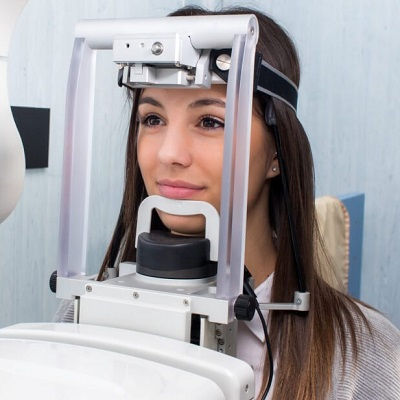
Positioning – The patient stands or sits with their chin placed on a small rest, and a bite piece is gently held between the teeth to stabilize the head.
Machine Rotation – The X-ray machine rotates around the head in a semicircle, capturing the panoramic image.
No Discomfort – The process is non-invasive and usually takes less than 20 seconds.
Instant Results – The images are available almost immediately for review.
Because of the low radiation dose and high diagnostic value, panoramic X-rays are a common part of orthodontic assessments, wisdom tooth evaluations, and pre-surgical planning.
Advantages of Using Panoramic X-Rays for Impacted Teeth Detection:
Comprehensive view – Both jaws in one image.
Time-saving – No need for multiple small X-rays.
Enhanced planning – Allows precise surgical and orthodontic treatment planning.
Early problem spotting – Identifies developing issues before symptoms arise.
Patient education – Easy-to-understand images for explaining treatment needs.

Who Should Consider a Dental Panoramic X-Ray in Dubai?
While not required for every dental visit, panoramic X-rays are especially recommended for:
Teenagers and young adults with emerging wisdom teeth.
Orthodontic patients before starting braces or aligners.
Individuals experiencing jaw pain or swelling.
People with unexplained tooth eruption delays.
Patients preparing for oral surgery or implants.
In Dubai, many dental clinics use state-of-the-art panoramic imaging equipment, ensuring minimal radiation exposure while delivering clear, detailed results.
After Detection: Treatment Options for Impacted Teeth:
Once an impacted tooth is identified through a panoramic X-ray, treatment will depend on its position, potential risks, and the patient’s symptoms.
Monitoring – If the impacted tooth is not causing problems, the dentist may recommend regular check-ups.
Surgical Extraction – Necessary if the tooth is causing pain, infection, or damaging adjacent teeth.
Orthodontic Assistance – In some cases, braces or other appliances may be used to guide an impacted tooth into position.
Cyst Removal – If a cyst forms around the tooth, surgical removal may be needed.
Conclusion:
A Dental Panoramic X-Ray in Dubai is an invaluable diagnostic tool for detecting impacted teeth and planning the right treatment approach. By offering a complete view of the mouth and surrounding structures, it allows for early detection, accurate assessment, and reduced treatment risks. Whether it’s a teenager’s wisdom teeth or a stubborn canine that hasn’t erupted, panoramic imaging provides the clarity dentists need to make informed decisions and ensure better oral health outcomes.
FAQs:
1. Is the panoramic X-ray safe?
Yes, it uses a low dose of radiation and is considered safe for most patients, including children.
2. How often should I get a panoramic X-ray?
Only as recommended by your dentist—usually every few years or before major dental treatments.
3. Can panoramic X-rays detect other problems besides impacted teeth?
Yes, they can reveal cysts, tumors, jaw fractures, sinus issues, and more.
4. Do I need to prepare before the X-ray?
No special preparation is required, though you may be asked to remove jewelry or metal objects from the head and neck area.
5. Can pregnant women have a panoramic X-ray?
It’s generally avoided during pregnancy unless absolutely necessary, and extra precautions are taken.


Comments