Do Teeth Retainers Really Prevent Shifting?
- aliza khan
- Aug 28, 2025
- 4 min read

A straight, beautiful smile is one of the biggest rewards of orthodontic treatment, whether achieved through braces or clear aligners. However, the journey to perfect teeth does not end once the treatment is over. Without proper retention, teeth can gradually shift back toward their original positions—a process known as relapse. This is where retainers play a critical role. Many people wonder if retainers are truly effective in preventing shifting. For those exploring dental options in the UAE, consulting experts in Teeth Retainers Dubai can provide reassurance and personalized guidance.
This article examines how retainers work, whether they really prevent shifting, and what patients should know about keeping their smiles aligned for years to come.
Why Do Teeth Shift After Braces or Aligners?
Even after orthodontic treatment, teeth remain prone to movement. This is because teeth are supported by bone and ligaments that require time to stabilize in their new positions. Several factors can cause shifting:
Elastic Memory of Teeth: Teeth naturally tend to move back toward their original positions.
Jaw Growth: In younger patients, continued jaw development can affect tooth alignment.
Aging Process: Teeth can shift subtly over time due to natural changes in bone density and gum health.
Habits and Lifestyle: Teeth grinding, nail biting, or using teeth as tools can encourage movement.
Without a retainer, these factors often lead to relapse, undoing months—or even years—of orthodontic progress.

How Retainers Work:
Retainers are custom-made devices designed to keep teeth in their corrected positions after orthodontic treatment. They act as a holding mechanism, giving bones and tissues around the teeth time to adapt to their new alignment.
There are two primary types of retainers:
Fixed Retainers: Thin wires bonded to the back of teeth, usually on the lower front teeth, to provide continuous support.
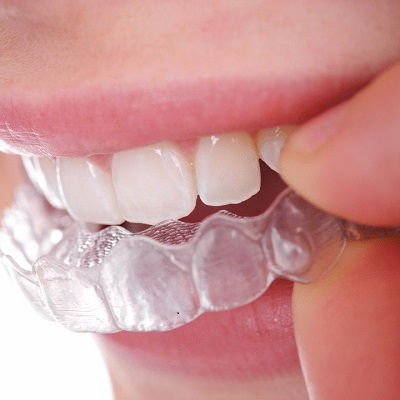
Removable Retainers: These may be traditional wire-and-acrylic designs or clear plastic aligner-style retainers that can be taken out while eating or brushing.
Both types are highly effective, but the choice depends on a patient’s dental needs, lifestyle, and dentist’s recommendations.
Do Retainers Really Prevent Teeth from Shifting?
Yes, retainers are scientifically proven to prevent teeth from shifting after orthodontic treatment. However, their effectiveness depends largely on consistent use and proper care.
What Retainers Can Do:
Maintain Alignment: They hold teeth in their exact corrected position.
Prevent Relapse: By keeping ligaments and bone structures stable, retainers stop teeth from drifting.
Support Long-Term Results: They ensure the investment in orthodontic care isn’t wasted.
What Retainers Cannot Do:
Correct Major Misalignment: Retainers cannot move teeth into new positions like braces or aligners.
Work Without Consistency: Skipping retainer use, especially in the early years, increases the risk of shifting.
In other words, retainers do not “fix” crooked teeth, but they are indispensable for keeping teeth straight after treatment.
How Long Should Retainers Be Worn?
One of the most common questions is how long retainers should be worn to prevent shifting. Dentists often emphasize that retention is a lifelong commitment—although the intensity of use decreases over time.
First Year Post-Treatment: Retainers are usually worn full-time (except when eating or brushing).
After the First Year: Many patients transition to nighttime wear only.
Long-Term Maintenance: To keep teeth aligned for life, occasional nighttime wear is recommended indefinitely.
Skipping wear for extended periods can allow teeth to move, sometimes requiring new orthodontic treatment.
Why Choose Teeth Retainers in Dubai?
For patients seeking reliable solutions, [Teeth Retainers Dubai] offer high-quality, custom-designed retainers tailored to individual needs. Dubai’s advanced dental clinics provide:
Cutting-Edge Technology: 3D scanning and digital impressions for precise fit and comfort.
Variety of Options: Both fixed and removable retainers to suit different lifestyles.
Expert Orthodontists: Specialists who monitor progress and provide long-term guidance.
Patient Comfort: Retainers designed with durable, lightweight materials for ease of wear.
Comprehensive Care: Clinics often combine orthodontic follow-up with preventive care for lasting results.
Choosing the right provider ensures that patients enjoy not just a straighter smile but also confidence that their results will last.
Caring for Retainers to Maximize Effectiveness:
Proper maintenance is essential to ensure retainers remain effective and hygienic. Here are some tips:
Clean Daily: Use a soft toothbrush and mild soap or special cleaning tablets—avoid toothpaste that may scratch plastic retainers.
Avoid Heat Exposure: Keep retainers away from hot water, as it can warp plastic designs.
Store Safely: Always place removable retainers in a protective case when not in use.
Regular Dental Visits: Orthodontists should check the fit and condition of retainers during routine appointments.
Wear Consistently: Retainers only work when used as directed, so avoid skipping nights.
Frequently Asked Questions (FAQs):
1. Do I really have to wear retainers forever?
Yes, most dentists recommend lifelong nighttime wear, though the frequency may decrease over time. Teeth naturally shift with age, so retainers help maintain alignment.
2. What happens if I stop wearing my retainer?
Without a retainer, teeth will likely shift back, sometimes noticeably within weeks or months. In severe cases, orthodontic treatment may need to be repeated.
3. Are fixed or removable retainers better?
Both are effective. Fixed retainers provide constant support without needing reminders, while removable retainers offer flexibility and easier cleaning.
4. Can retainers fix teeth that have already shifted?
They may correct very minor shifts, but for moderate or severe misalignments, braces or aligners are required.
5. How often should retainers be replaced?
With proper care, retainers can last several years. However, they should be replaced if they crack, warp, or no longer fit properly.
6. Are retainers uncomfortable to wear?
Most patients adjust quickly. There may be slight pressure at first, but it usually subsides within a few days.
Conclusion:
Teeth naturally shift over time, making retainers an essential part of maintaining orthodontic results. While they cannot move teeth into alignment, they are highly effective at preventing relapse and preserving a straight smile. The key lies in consistent wear, proper care, and long-term commitment. By choosing experts in [Teeth Retainers Dubai], patients can benefit from modern technology, expert guidance, and retainers that provide both comfort and durability.


Comments